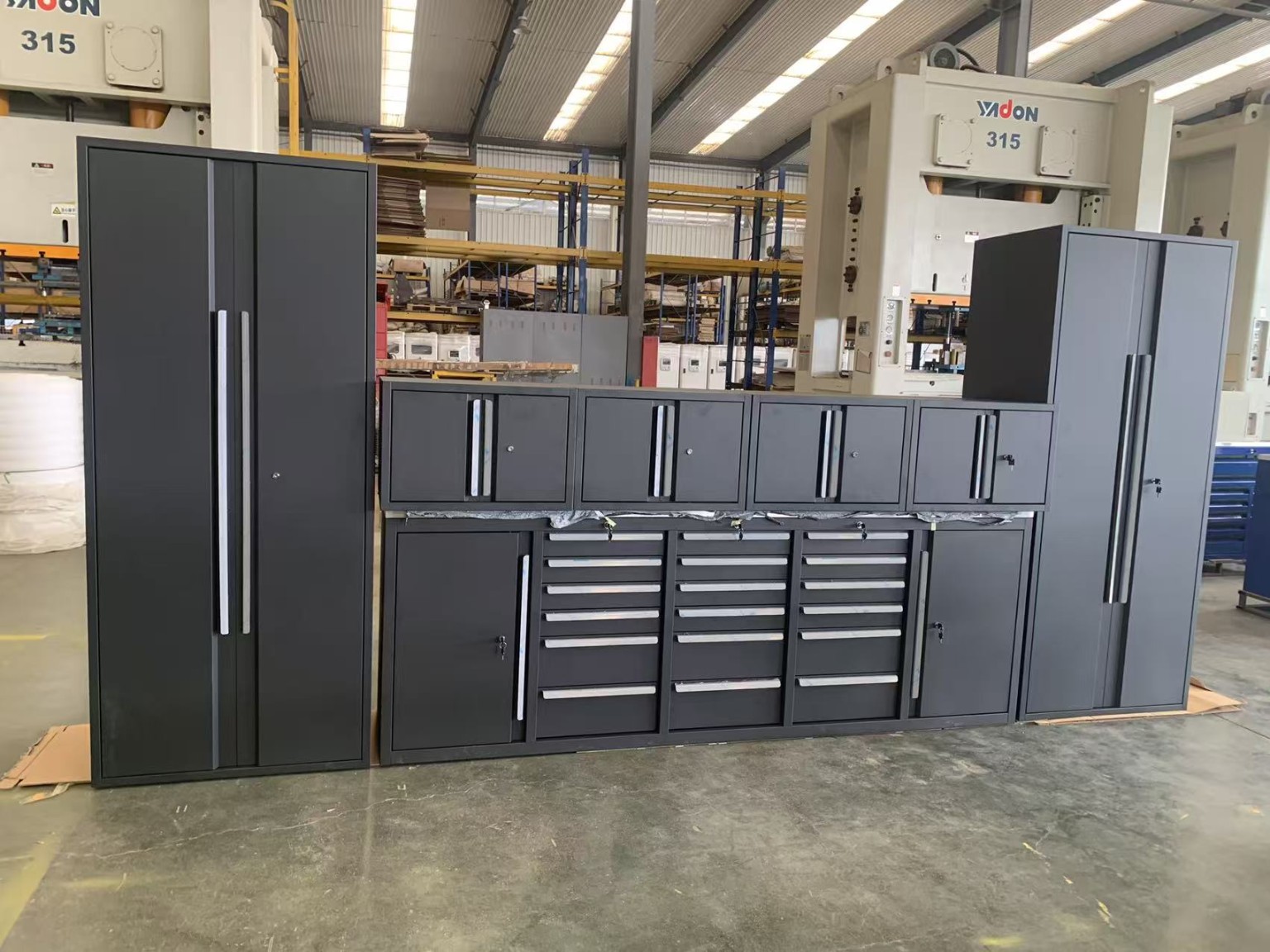
A 6,000 mm wall with four tall cupboards, a central workbench and four overhead cabinets comes out at about 7.3 m³ of parts, 8–9 m³ crated, and roughly 0.7 to 0.9 tonnes of steel. Here is how that is built up.
Freight on a single system is charged by volume, so the volume is the number that matters. For a 5,900 mm run built as four 900 mm tall cupboards plus a 2,300 mm centre section:

Steel at 1.2 mm is 9.42 kg per square metre. On a project of this size the doors are the single heaviest sub-assembly, and they are the part most people underestimate.

LCL is charged by cubic metre, which means the air inside a cabinet is billed. A 20 ft container holds about 33 m³, so a single system fills roughly a quarter of it: LCL is usually the sensible choice, and the destination charges are what decide it, not the ocean freight.

You approve at every gate. Nothing is cut before the drawing is signed off, and the render and the technical drawing cost you nothing.
Send a sketch, a measured layout or a reference photo. Sizes, drawer counts, colour, locks and casters.
We build a virtual scene image of the cabinet before anything is made, so you can see the proportions.
The layout is locked and issued as a formal DXF / PDF drawing with dimensions, steel gauge and bill of materials.
One sample unit is built and photographed, or shipped, for your final approval.
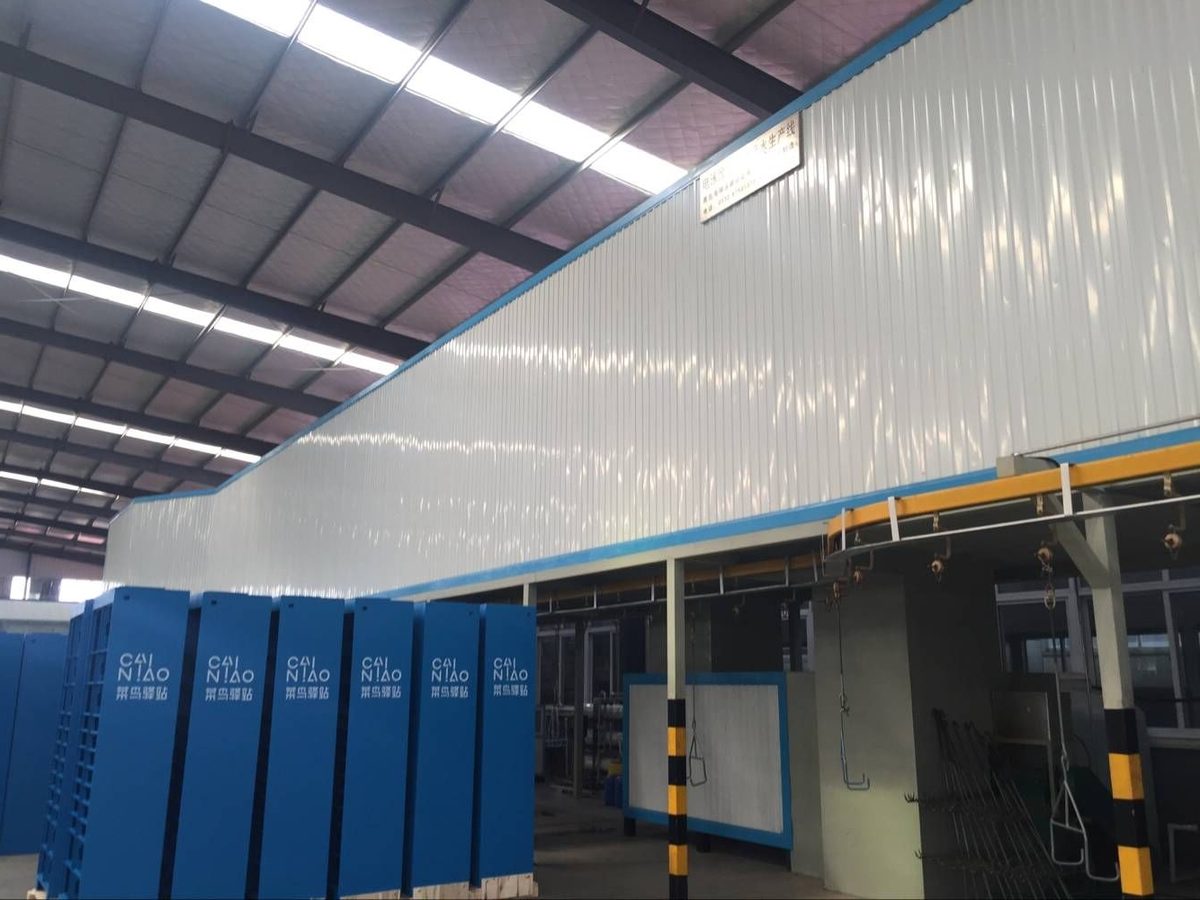
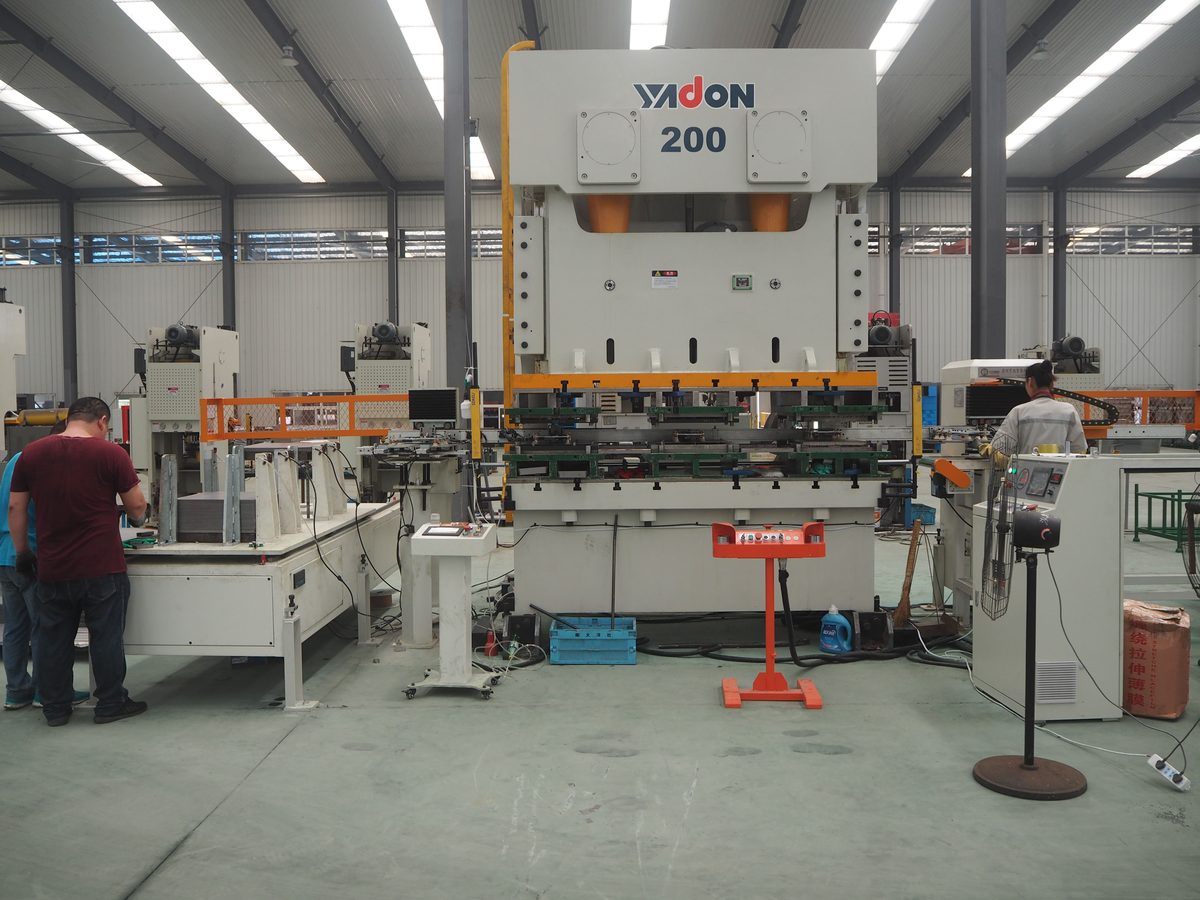
Punch, bend, weld, powder-coat and assemble on the line, with photo updates at the key stages.
Pre-shipment inspection against the confirmed drawing, then export packing and container loading.
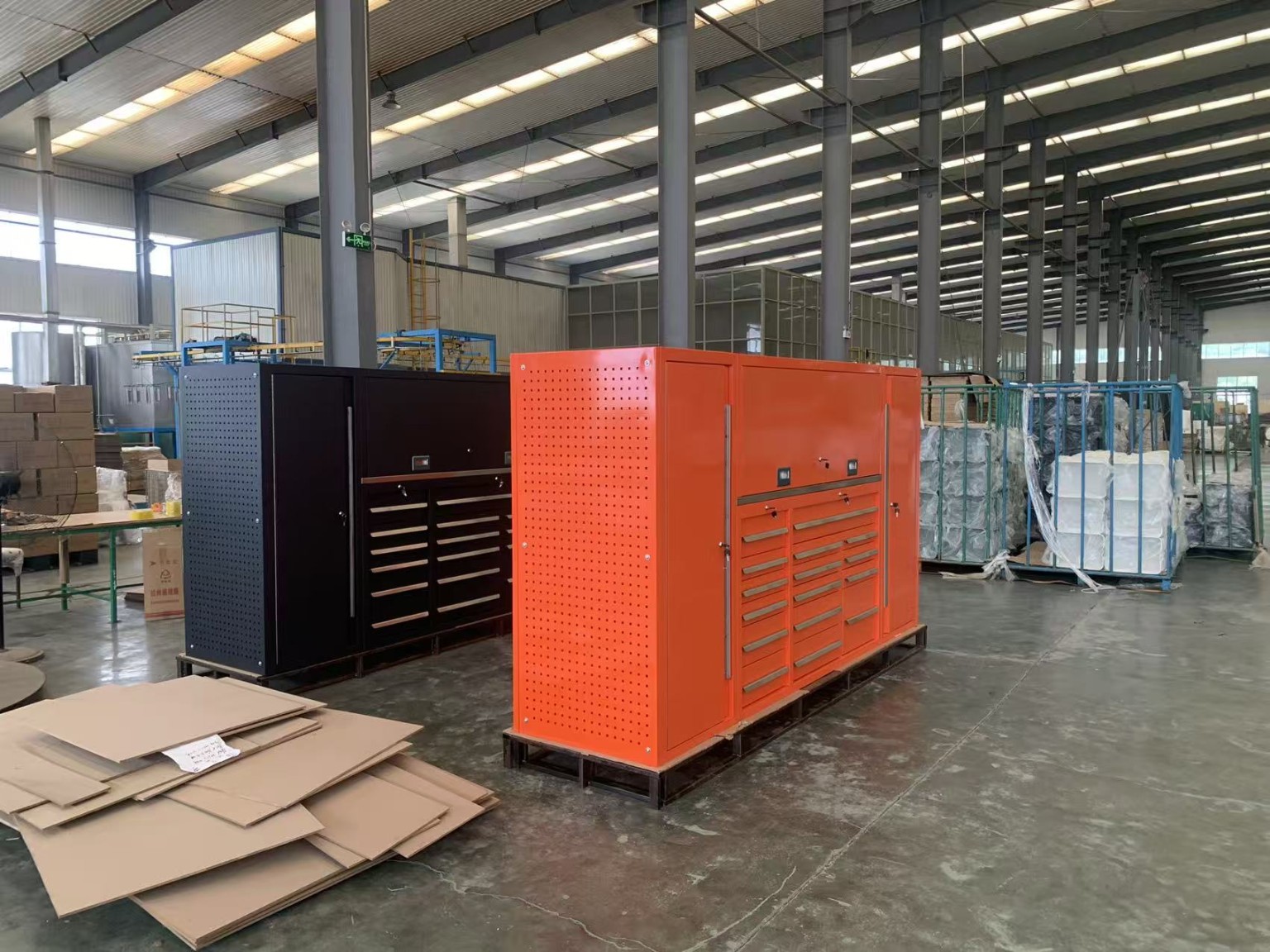
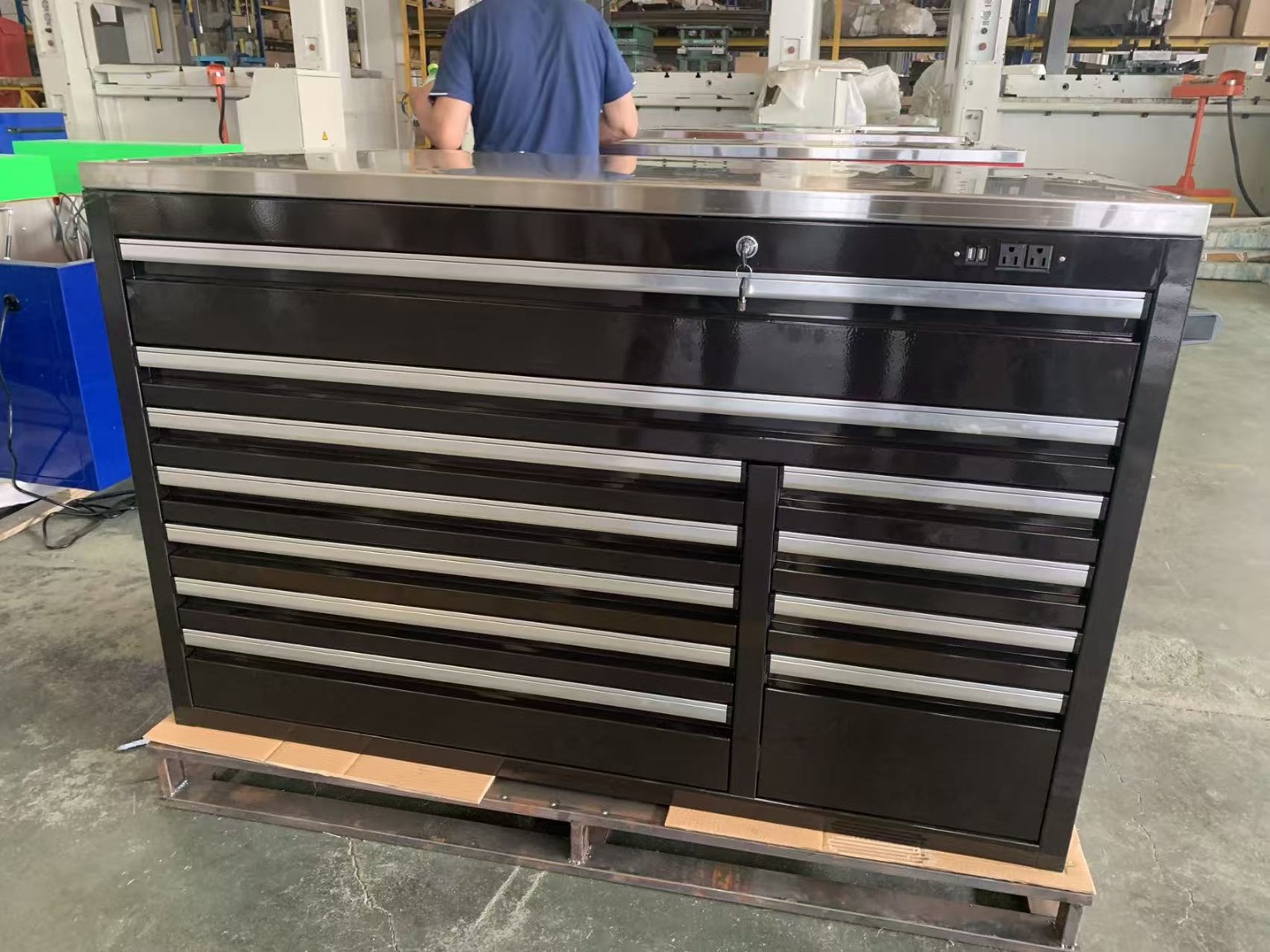
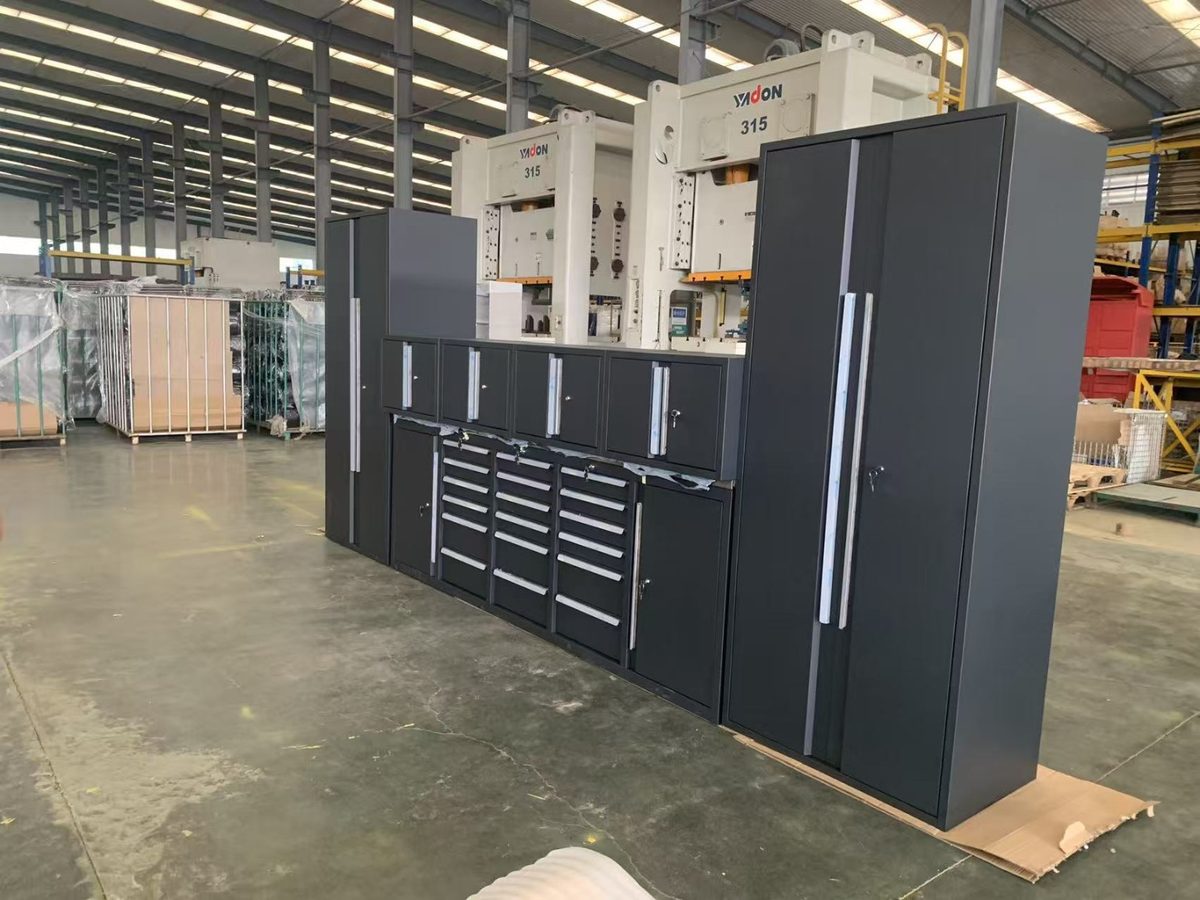
Units built on the Qingdao line — not stock photography. Bring your own drawing or a reference photo and it will be built to that.


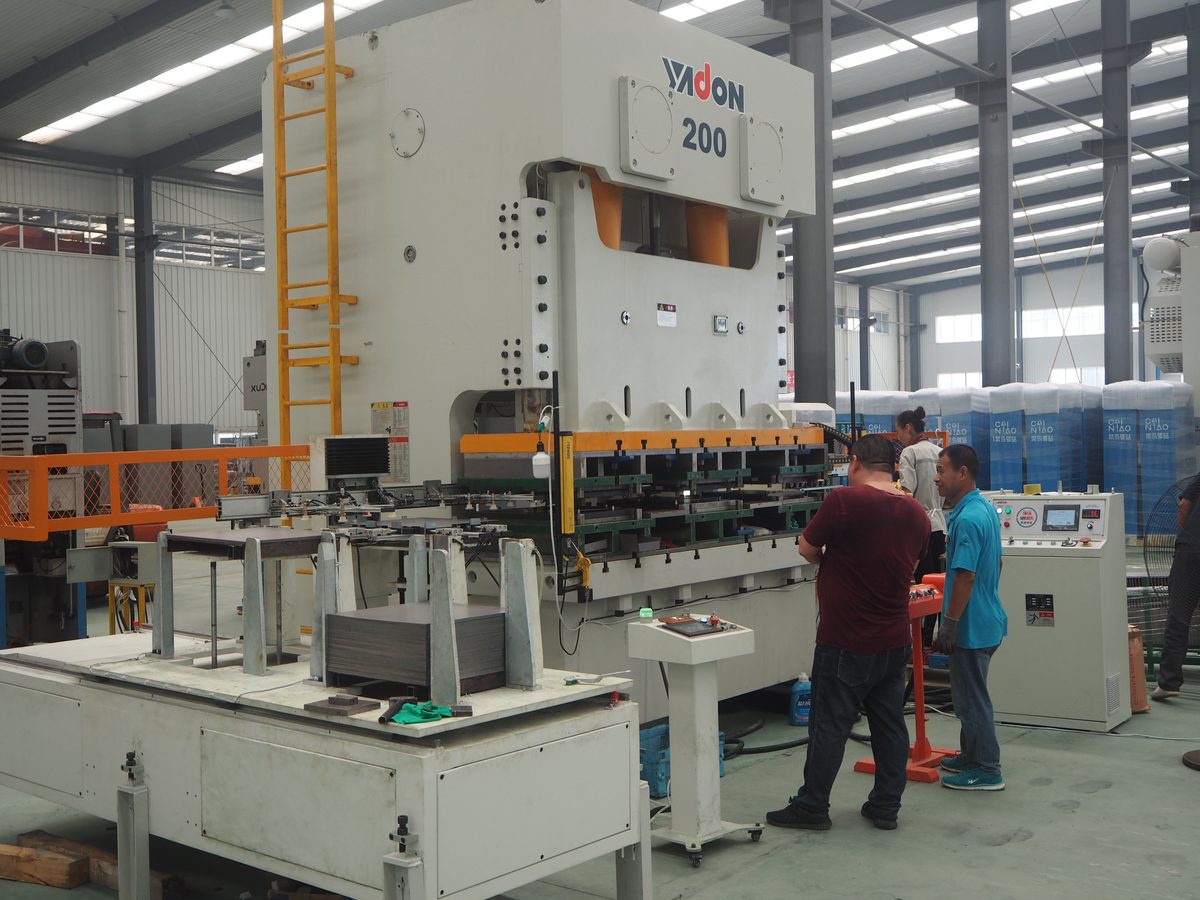
Our factory holds IATF 16949:2016 — the automotive quality system — and produces stamped and welded metal parts with electrophoretic and spray coating for a German premium car maker. The same plant, the same stamping, welding and coating processes go into your cabinets. The certificate is in cycle 3 and runs to July 2029.
By volume, yes — with room to spare. A 20 ft container is about 33 m³ and the crated system is 8–9 m³, so it fits at roughly a quarter load. Whether it is economical is a different question, and that depends on what the destination charges add.
For one system, LCL usually wins on freight but loses on destination handling — LCL terminal and documentation charges are levied per shipment, not per cubic metre. The honest way to compare is the total landed cost, which is exactly why we recommend your own forwarder quote the door-to-door leg.
Partly. Shipping welded frames with the doors, worktops and plinth panels flat-packed can cut volume by 40–60%, at the cost of assembly on site. It is a real choice, and we would rather you make it deliberately than discover the trade-off after shipping.
Typically five to six units on standard 1.2 × 1.0 m pallets, stacked to 1.6–2.0 m, plus door packs. Every crate carries a numbered packing list and the drawing set for that crate.
3D render and technical drawing: 2 working days each (free). Sample: 7-10 days. Mass production: about 30 days. Total from inquiry to container shipment: 30-45 days.
Send a drawing, a rough sketch or a photo of what you need. Tell us the destination port and the quantity you have in mind — you get a firm number, a lead time and photos of comparable builds.